Nov 18, 2026
Pressure injury staging has been central to wound care for decades. Clinicians use it to describe tissue damage, communicate findings and document care. It is also built into reimbursement, quality measurement and regulatory oversight. That raises a fair question:...
Nov 11, 2026
Unavoidable pressure injuries and the changing view of “never events”: why it matters for quality measurement and the evaluation of care. There is increasing recognition that some pressure injuries may develop despite appropriate medical and nursing care, particularly...
Oct 26, 2026
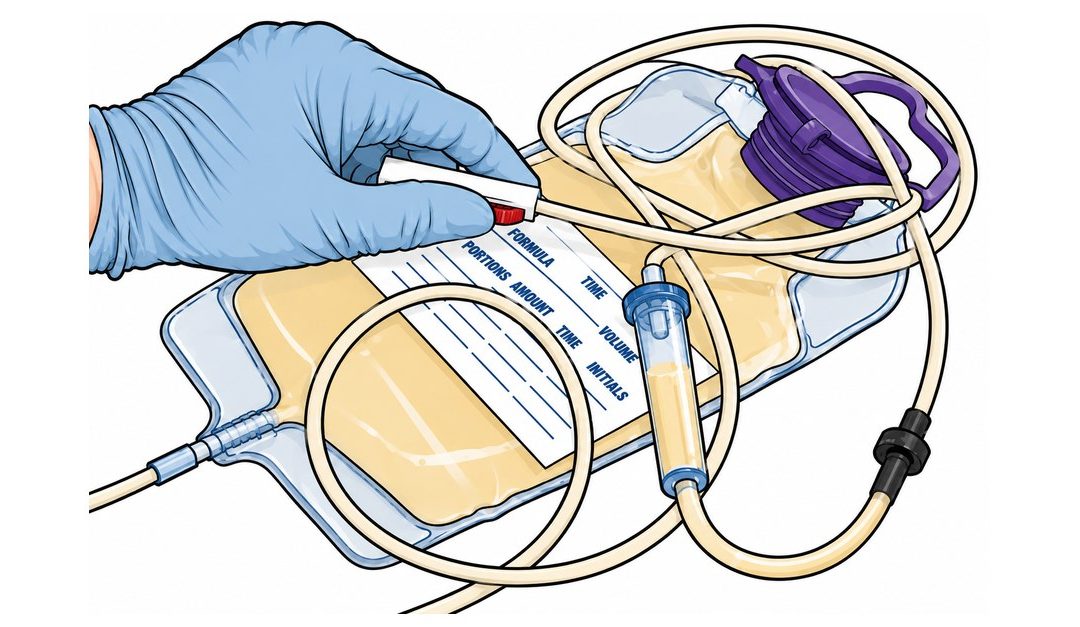
Good nutrition is essential for wound healing. Malnutrition, inadequate protein intake, and unintended weight loss are associated with delayed healing of pressure injuries, also known as bedsores or pressure ulcers. These relationships have led many clinicians and...
May 3, 2026
I was thrilled to present at the American Geriatrics Society Annual Meeting with an amazing group of wound care superstars. Our theme was Wound Care Updates: Reclaiming a Lost Geriatric Syndrome and the moderator was Sarwat Jabeen MD, Attending physician at Michael...
Apr 10, 2025
Imagine a disease that causes pain, disfigurement, amputations, infections, sepsis, and death, that results in billions of dollars in treatment costs, yet is barely taught in medical school. Welcome to the world of wound care, where many American doctors graduate...
Nov 15, 2024
Does anyone remember “The Purple Book”? Those of us who have been in the wound care world for a while know it as the first pressure ulcer prevention guideline, a compendium of clinical practice recommendations published by the federal government. Released in 1992, it...
