
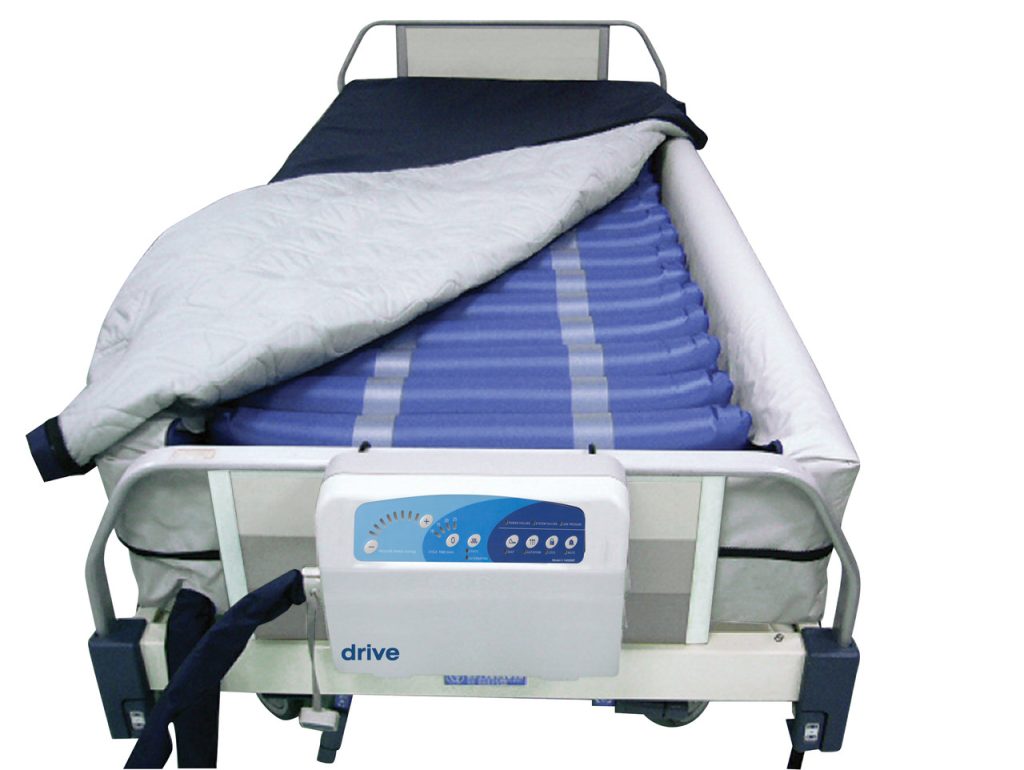
Pressure relief and pressure redistribution are terms that are often used interchangeably, but they describe different approaches to preventing and managing pressure injuries, also known as pressure ulcers, bedsores, or decubiti. Understanding the difference matters for clinicians choosing interventions, for families evaluating care, and for anyone reviewing whether a pressure injury could have been prevented.
What Is Pressure Relief?
Pressure relief means removing or reducing pressure from a specific area of the body that is at risk, usually by changing the person’s position or lifting a vulnerable area off the surface. Common pressure relief techniques include:
- Repositioning: Turning the person from side to side or shifting their weight on a schedule tailored to their condition, skin tolerance, and the support surface in use.
- Offloading: Using pillows, wedges, or positioning devices to take weight off high-risk areas such as the sacrum, hips, and heels.
- Floating the heels: Elevating the heels completely off the bed, which protects one of the most common sites of pressure injury.
What Is Pressure Redistribution?
Pressure redistribution refers to the ability of a support surface to spread the body’s weight over a larger contact area, lowering pressure at any single point. Rather than moving the patient, the surface does the work by allowing the body to sink in (immersion) and conform around its contours (envelopment). Pressure redistribution equipment includes:
- Specialty mattresses: Foam, gel, and air-cell mattresses that conform to the body and spread its weight.
- Seating cushions: Pressure redistribution cushions for wheelchairs and chairs, which protect the buttocks and ischial tuberosities during prolonged sitting.
- Air-fluidized beds: Beds in which warm air flows through silicone-coated glass beads, creating a fluid-like surface that the patient floats in.
Why the Terminology Changed
Older literature and product marketing often refer to “pressure-relieving” or “pressure-reducing” mattresses. In 2007, the National Pressure Ulcer Advisory Panel’s Support Surface Standards Initiative recommended replacing those terms with “pressure redistribution” to describe what support surfaces actually do. No mattress truly relieves pressure; it only spreads it more evenly. The organization, now the National Pressure Injury Advisory Panel (NPIAP), also introduced the term “pressure injury” in 2016 to replace “pressure ulcer,” because many of these wounds begin with intact skin.
The Key Difference
Pressure relief focuses on removing pressure from specific body areas through repositioning and offloading. Pressure redistribution uses specialized surfaces to spread pressure across the body. The two are complementary, not interchangeable: even the most advanced support surface does not eliminate the need for repositioning, heel offloading, and regular skin inspection.
In my experience reviewing pressure injury cases, the question is rarely which single intervention was used. It is whether repositioning, support surfaces, nutrition, and skin assessment were combined into a consistent plan, and whether that plan was documented.
* * * * * * * * * * * * * * *
Related Posts:
Pressure Injuries and the Human Warranty
Medical Device Related Pressure Injury to the Ear due to Mask
New Opportunities To Improve Pressure Ulcer Prevention And Treatment
Pressure Ulcer Prevention Lacking in High Risk Patients
Pressure Ulcer Prevention for Patients in Wheelchairs